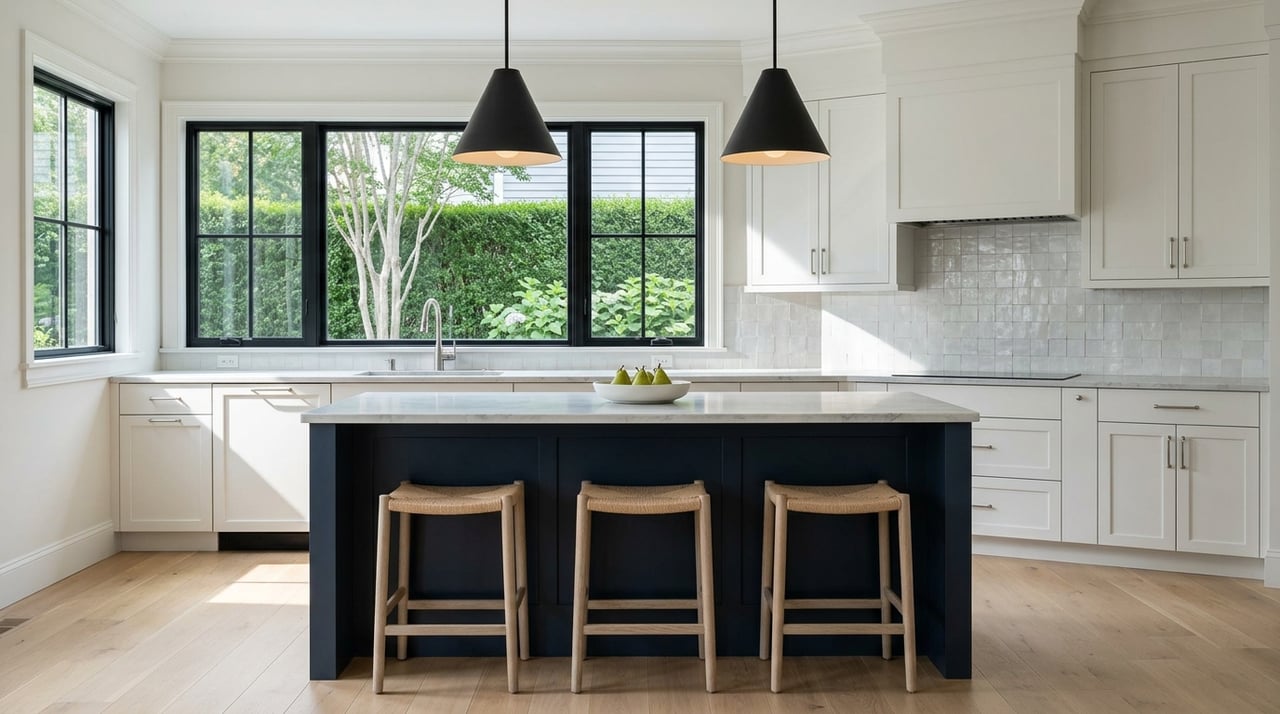
If you are thinking about selling your Darien home, the good news is that demand is strong. The better news is that the right preparation can still make a meaningful difference in your final result. In a market where buyers move quickly and compare homes closely, smart prep helps you protect value, attract stronger interest, and reduce avoidable friction once your home hits the market. Let’s dive in.
Why prep still matters in Darien
Darien is a strong seller’s market, but that does not mean every home performs the same way. Recent market data points to high values and relatively fast sales, with homes going pending in as little as 9 days according to Zillow, 13 median days on market according to Redfin, and 24 days on market in Realtor.com’s March 2026 snapshot.
That speed can create a false sense that any home will sell instantly. In reality, Darien is a micro-market town where price, condition, lot, and location all shape buyer response. Realtor.com data shows meaningful differences between areas like Noroton and Tokeneke, which is why thoughtful preparation and pricing matter just as much as overall town momentum.
Start earlier than you think
Many sellers begin thinking about listing 3 to 4 months before they go live, and that timeline makes sense in Darien. If you want to target a spring launch, it helps to finish repairs, paint, decluttering, and staging well before your ideal list date.
This gives you time to make better decisions instead of rushed ones. It also helps you avoid the last-minute scramble that can delay photography, showings, or paperwork. When a home is ready before it goes on the market, the launch tends to feel cleaner and more intentional.
Build a simple pre-listing timeline
A practical seller timeline often looks like this:
- 8 to 12 weeks out: meet with your agent, review pricing strategy, and walk the house with a critical eye
- 6 to 10 weeks out: complete repairs, gather permits and records, and schedule paint or touch-up work
- 4 to 6 weeks out: declutter, pack personal items, edit furniture, and improve storage areas
- 2 to 4 weeks out: deep clean, stage key rooms, refresh landscaping, and finalize photography prep
- 1 week out: complete final cleaning, replace burnt-out bulbs, and make sure the home feels polished and easy to show
Focus on what buyers notice first
In higher-end markets, presentation carries real weight. Redfin notes that buyers first notice overall condition, then cleanliness and layout. That means your goal is not to over-renovate right before selling. Your goal is to make the home feel well cared for, functional, and easy to picture living in.
A move-in-ready feel can be especially powerful in Darien. Buyers at higher price points often respond best to homes that feel polished from the start, with fewer obvious projects waiting for them after closing.
Prioritize visible improvements
The most useful pre-listing updates are often straightforward ones buyers see right away. According to the National Association of Realtors’ 2025 Remodeling Impact Report, painting is among the most commonly recommended projects before listing.
Useful prep items may include:
- Fresh neutral paint
- Repaired trim, doors, and hardware
- Clean and consistent flooring
- Updated or brighter lighting
- Clean mechanical areas
- A strong front entry presentation
- Simple landscaping cleanup
These updates do not need to be flashy. They need to help your home feel maintained, bright, and ready for the market.
Stage the rooms that shape first impressions
Staging does not mean a full redesign. It usually means decluttering, editing, and styling the home so buyers can focus on the space itself. NAR defines staging as preparing the home through decluttering and styling rather than remodeling, and its 2025 research found that 83% of buyers’ agents said staging makes it easier for buyers to visualize a property.
That matters because buyers often form opinions quickly. If rooms feel crowded, too personal, or visually busy, it becomes harder for them to understand scale, flow, and function.
Start with the most important rooms
NAR’s staging data shows the most commonly staged rooms are:
- Living room
- Primary bedroom
- Dining room
- Kitchen
If you are deciding where to spend time and budget, start there. These are the spaces that often carry the first showing impression and help buyers connect emotionally to the home.
Keep staging simple and neutral
A few basic steps can go a long way:
- Remove bulky furniture that makes rooms feel smaller
- Pack away most personal photos and highly specific decor
- Use neutral bedding, towels, and accessories
- Clear kitchen and bathroom counters
- Keep closets only about half full so storage feels generous
The goal is not to erase your home’s character. It is to help buyers see the home more clearly.
Don’t overlook curb appeal
Your exterior sets the tone before a buyer walks in. In Darien, where homes are often judged in relation to nearby properties and lot characteristics, the approach to the house matters more than many sellers realize.
Focus on clean, orderly presentation. Trim shrubs, tidy beds, refresh mulch if needed, sweep walkways, and make sure the front door and hardware look sharp. NAR data also points to front door improvements as strong value-conscious updates, which reinforces how important the entry experience can be.
Price for your micro-market
One of the biggest mistakes sellers make is assuming the townwide average tells the whole story. In Darien, it does not. Neighborhood, lot size, condition, and features like waterfront exposure can shift value meaningfully even within the same town.
Connecticut’s Department of Consumer Protection says a seller’s agent should prepare a competitive market analysis and help establish a realistic asking price rather than an inflated number. In practice, that means looking closely at the nearest and most relevant comparable sales, not just broad market headlines.
Why precise pricing matters
Even in a seller’s market, overpricing can slow momentum. When a home launches at the wrong number, you may lose the benefit of early buyer attention, which is often when interest is strongest.
A measured pricing strategy is especially important in Darien’s upper-end market. Buyers paying close attention to condition and location tend to be well informed, and they often compare homes very carefully within a narrow competitive set.
Get your paperwork ready early
Preparation is not just cosmetic. In Connecticut, paperwork is part of getting ready to sell, and handling it early can help reduce stress later.
For most residential transfers of four dwelling units or fewer, sellers must provide the Connecticut Residential Property Condition Report. If it is not provided, the seller may owe a $500 credit at closing. The form covers topics such as flood-hazard status, easements or encroachments, utility and system issues, foundation concerns, prior repairs, and other property facts.
Gather these documents before listing
Try to collect:
- Permits for past work
- Final inspection sign-offs
- Certificates of occupancy, where applicable
- Contractor invoices
- Warranties for systems or appliances
- Records of repairs or improvements
Having these items organized early can help answer buyer questions more efficiently and make the transaction feel smoother.
Know the lead-paint rule if your home is older
If your home was built before 1978, federal lead-based paint disclosure rules apply. Sellers must disclose known lead-based paint or hazards, provide the required pamphlet, and preserve related records. Buyers generally receive a 10-day opportunity to conduct a lead inspection unless that right is waived.
Pay attention to flood-related disclosures
Flood-related questions can be especially important in coastal Connecticut markets. Connecticut’s property condition form asks about FEMA floodplain status, current flood insurance, elevation certificates, and flood claims.
The Connecticut Department of Public Health also notes that standard homeowners and renters insurance do not cover flood damage, and that a government-backed mortgage in a high-risk flood zone requires flood insurance. If any of these items apply to your property, it is wise to have your records organized before your home goes live.
Avoid over-improving before you sell
Many sellers ask whether they should take on a large renovation before listing. Usually, the better answer is to focus on targeted updates that improve presentation and reduce buyer objections.
Large projects can be expensive, time-consuming, and hard to fully recover right before a sale. In most cases, fresh paint, repairs, lighting, cleanliness, and staging create a better return on effort than a major remodel completed under deadline pressure.
Work toward a smooth launch
A successful listing launch is usually the result of many small decisions made well. When your home is clean, well presented, correctly priced, and backed by organized paperwork, buyers can focus on the property rather than the distractions.
In a market like Darien, that kind of preparation can help you stand out even when demand is already strong. It is not about doing everything. It is about doing the right things in the right order.
If you are preparing to sell in Darien and want a fact-based plan for pricing, positioning, and launch timing, Joshua Weisman can help you map out the next steps.
FAQs
What should I fix before selling a home in Darien?
- Focus first on visible, buyer-facing items like paint, lighting, hardware, trim, flooring condition, cleanliness, and exterior presentation.
How far in advance should I prepare my Darien home for sale?
- A good planning window is about 3 to 4 months before listing, especially if you want time for repairs, decluttering, staging, and paperwork.
Does staging matter when selling a Darien home?
- Yes. Research shows staging helps buyers visualize the home, and the rooms that usually matter most are the living room, primary bedroom, dining room, and kitchen.
How should a Darien home be priced for sale?
- Your home should be priced using nearby comparable sales and your specific micro-market, since values can vary meaningfully by neighborhood, lot, condition, and features.
What disclosures are required when selling a home in Connecticut?
- For most one-to-four-unit residential sales, sellers need to provide the Connecticut Residential Property Condition Report, and homes built before 1978 also require lead-based paint disclosures.
What documents should I gather before listing my Darien property?
- Start with permits, final inspection sign-offs, certificates of occupancy where applicable, warranties, contractor invoices, and records of repairs or improvements.